Surgery for Dogs and Cats in Oakville

The surgeries we perform
- Spay and neuter
- Mass and lump removals
- Foreign body removal (swallowed objects)
- Bladder stone surgery (cystotomy)
- Pyometra (a serious infected uterus)
- Eyelid mass removals and entropion repair
- Wound repairs
Many pets who have orthopedic surgery elsewhere come back to us afterward for rehabilitation, where therapeutic exercise, manual therapy, and laser therapy help them rebuild strength and get back to feeling themselves.

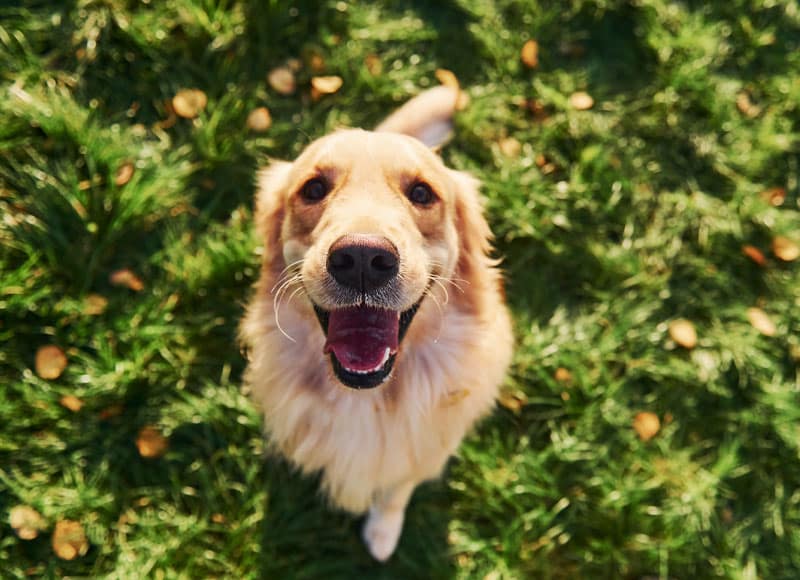
How we keep your pet safe during surgery
- Pre-anesthetic bloodwork ahead of time, plus a hands-on exam by the doctor the morning of surgery, so nothing is missed.
- An IV catheter and fluids in place for the whole procedure, keeping blood pressure steady and recovery smoother.
- A trained technician monitoring your pet from first breath to recovery, tracking heart rate, breathing, blood pressure, temperature, ECG, CO2, and oxygen on dedicated equipment.
- Pain handled before it starts. Your pet gets comfort medications the night before and the morning of, a local nerve block for every procedure, and pain medication to take home. For some pets we also use laser therapy to ease post-surgical pain and speed healing. Our perspective is to stay ahead of the pain rather than chasing it.
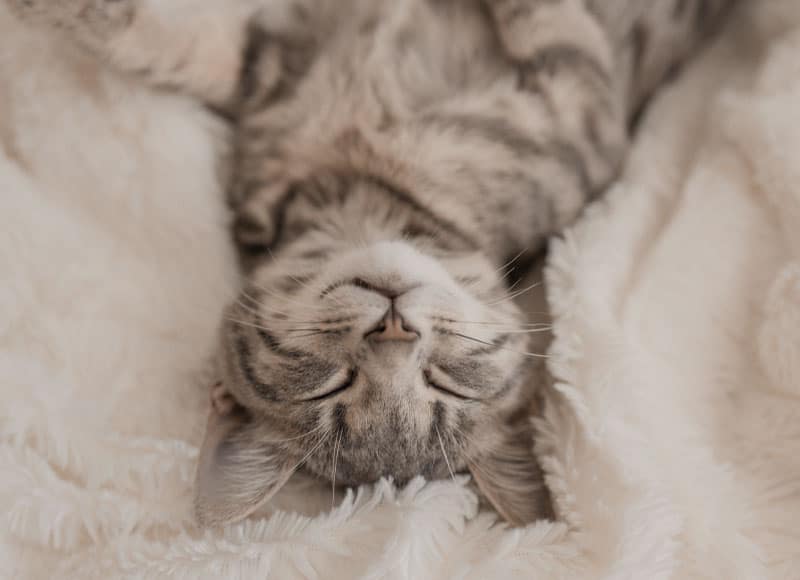
Your pet's day with us
- You drop off in the morning, and the doctor gives your pet a full once-over before anything begins.
- Once they’re settled and waiting for their turn, a technician sends you a photo so you can see they’re calm and comfortable.
- Recovery happens in a quiet ward with soft bedding, calming music, and a pheromone diffuser, plus a hiding tent for cats who’d rather tuck away. Someone is checking on them, and spoiling them the whole time.
- Once the surgery is finished, the doctor reaches out directly to tell you how your pet did.
- As soon as they’re awake and ready, a warm canned-food meal is waiting.
- At pick-up, a technician sits down with you to go through the recovery plan in detail, so you leave knowing exactly what the next two weeks will look like.
- The next day, we call to see how the first night at home went.

What to expect after surgery
For the first day or two, expect your cat or dog to be quiet and sleepy. Appetite is often reduced, and they may not have a bowel movement for a day or so, which is normal after anesthesia. As the medications wear off, some pets get a little vocal or seem disoriented. That’s usually the medication talking, not pain, so please don’t give any extra pain medication unless it’s written in your discharge instructions. Most pets come back in 7 to 10 days for a recheck and, if needed, suture removal. Anytime something worries you, whether your pet won’t eat, won’t settle, or just doesn’t look right, call us. If we decide they should come in, that recheck is on us.
Why rest really matters
Crate rest for dogs and a small, confined space for cats is how we prevent activity-based problems like a reopened incision, a seroma (a fluid pocket that forms when a pet moves too much), or re-injury. Cats deserve special attention, because they can jump even when they feel awful. Timelines vary by procedure: a routine spay or neuter usually means about 10 to 14 days of restriction, while a cruciate or major orthopedic repair can need 8 to 12 weeks. Keep your dog on a leash for bathroom breaks until cleared to prevent an unexpected case of the zoomies, and prevent other pets from licking their incision or instigating playtime. Your discharge instructions will have everything explained to you.
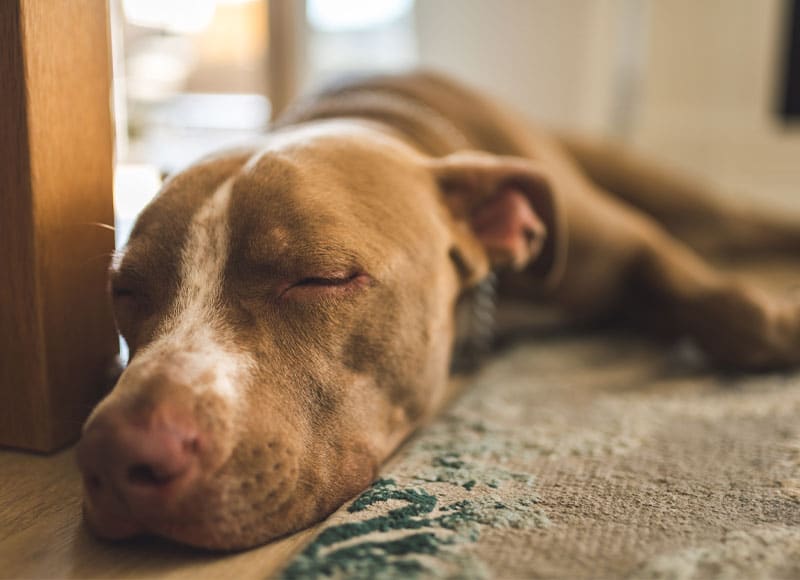
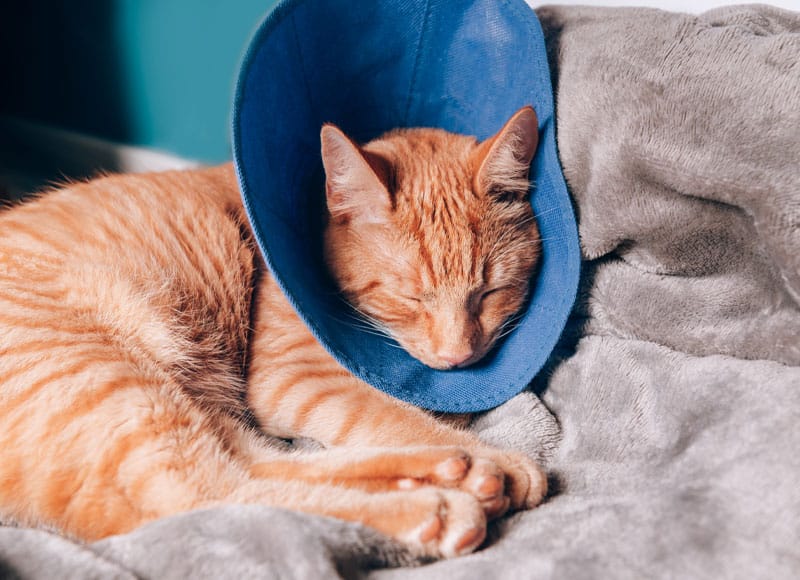
Why the cone needs to stay on
Some pets do better with an alternative, like a soft fabric cone, an inflatable collar, or a recovery suit for body and belly incisions. Each has tradeoffs, and some let a determined pet reach the incision anyway, so please ask us before switching.
When to call us
- Bleeding, swelling, or discharge from the incision, especially if it’s yellow, green, or foul-smelling
- The incision opening, or visible damage to the sutures
- Vomiting or diarrhea that lasts beyond the first 24 hours
- Not eating or drinking for more than 24 hours after surgery
- Difficulty breathing, sudden lethargy, or trembling that gets worse
- Pain that increases after the first few days, when it should be improving
- Limping that worsens rather than slowly improving