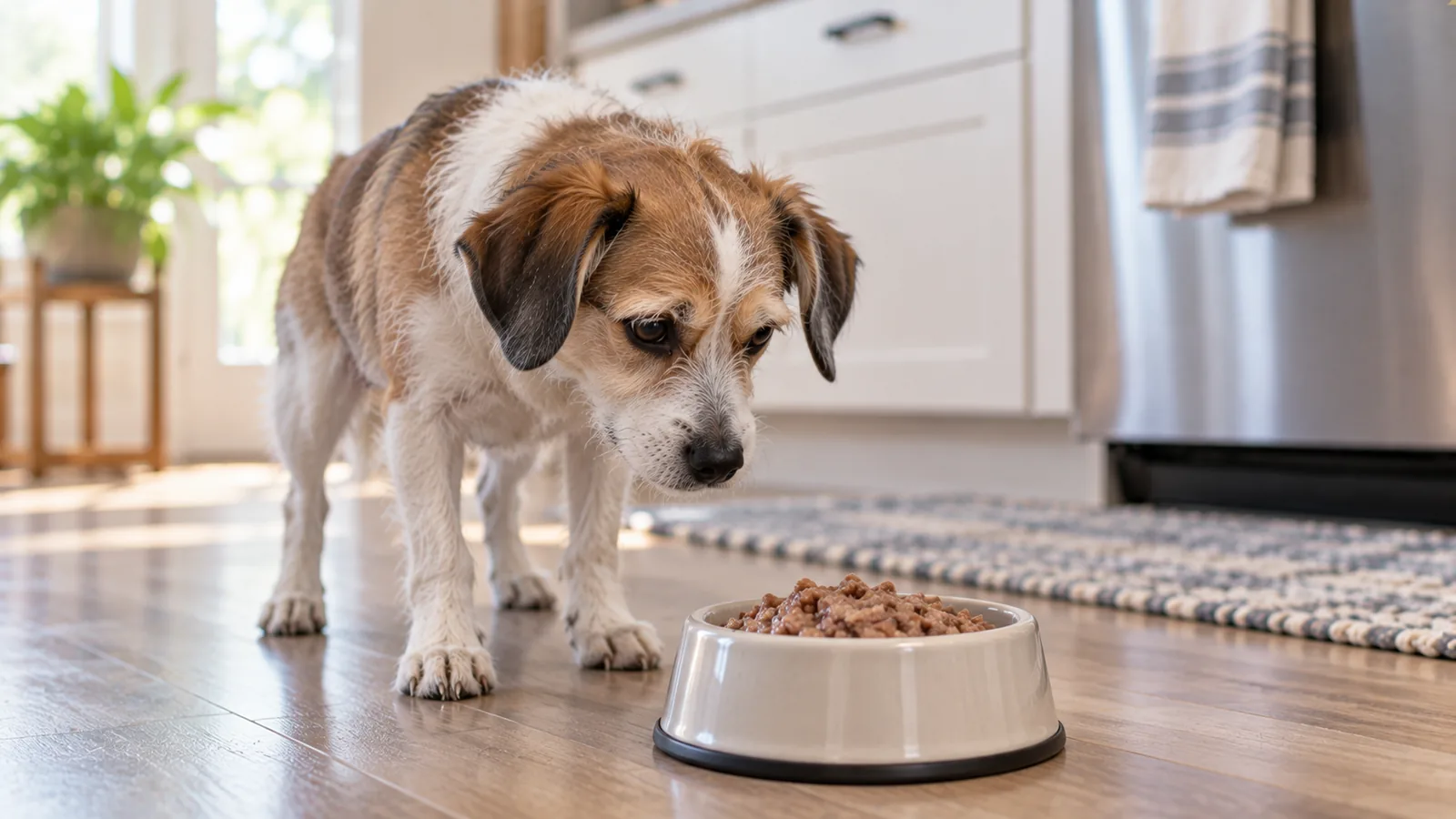
What you most want to know when your pet comes home with teeth missing is what counts as normal now, and the answer is soft food, the full course of pain medication, and nothing hard in that mouth until the gums have closed. Grogginess the first evening, a smaller appetite, and a bit of drool tinged with pink are all expected after anesthesia and oral surgery. Bleeding that will not stop needs to be seen right away, that day, wherever is open. Swelling that grows rather than settles, a refusal to eat anything by the second day, or pain that is getting worse instead of easing are the signs to call us about within a day.
The days after oral surgery are quiet and uncertain, and you should not have to decide on your own whether what you are seeing is healing or a problem. Trafalgar Animal Hospital has cared for pets in Oakville since 1956, and our dental care starts with X-rays of the tooth roots and jawbone and ends with sending you home with detailed plans and instructions on what to watch for. If the first few days are not going the way you expected, check in with us and we will help you sort out what it means.
What Those Two Weeks Should Look Like
- Soft food, every dose of the pain medication, and two weeks with nothing hard in the mouth are what most extraction sites need to close cleanly.
- Pink-tinged drool and a quieter mood are expected; bleeding that won't stop, facial swelling that keeps growing, or a pet still refusing food on day two are not.
- The uncommon complications, such as a site that opens back up, an opening into the nasal passage, an infection at an old root, or rarely a jaw fracture, are all manageable when caught early.
- Yearly cleanings with dental radiographs catch trouble at the stage that needs scaling instead of surgery, which is the easiest recovery of all.
What Should You Expect the First Night After Anesthesia?
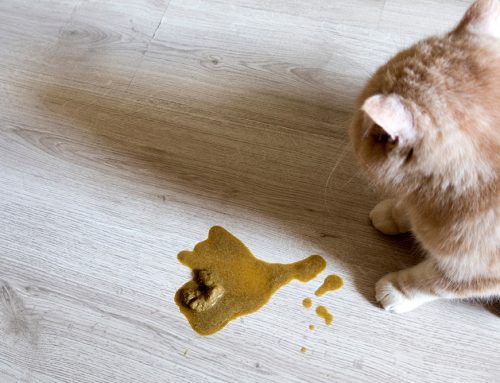
Expect grogginess that first night, and a quiet, confined place to sleep it off is most of what your pet needs from you. Wobbly back legs, a hoarse voice from the breathing tube, and a pet who sleeps hard through the evening are all normal parts of anesthesia recovery in the first 12 to 24 hours at home.
Set the room up before pickup: no stairs, no jumping onto the couch, and other pets kept out of it for the evening. Cats settle best closed in a bathroom with a low-sided litter box. Offer water right away and a small meal rather than a full bowl. Plan on one to two weeks of care after dental surgery at home before your pet is back to their normal routine.
A few things don't wait for morning: bleeding that soaks a towel, repeated vomiting, labored breathing, or a pet you can't rouse. Our team handles urgent care while we're open, and after we close, head to the nearest veterinary emergency hospital.
What Can Your Pet Eat After a Dental Procedure?
Soft food matters because tooth extractions leave sutured gum tissue that needs about two weeks of undisturbed healing before kibble goes back in the bowl. A pet who had a cleaning with nothing pulled is usually back to a normal bowl the next morning.
| Stage | What goes in the bowl | Why it's set up that way |
| The first evening | A small portion of canned food, water freely available | The body is still clearing anesthetic drugs |
| Days one to fourteen | Canned food, or the usual kibble soaked in warm water until it mashes with a fork | Sutured gum tissue needs pressure kept off it |
| After we've checked the sites | The usual texture back over three or four days | Healed gum can handle crunch again |
Warming the food makes it smell stronger, which helps a sore pet who isn't interested. Skip crunchy toppers and ice cubes, and stay with their usual diet rather than introducing something new while the gut is already unsettled.
Cats with stomatitis often need most or all of their teeth removed, and tooth extractions in cats with that level of oral inflammation usually mean a permanent move to wet or softened food, which they manage comfortably even with no teeth left.
How Do You Handle Home Care While the Mouth Heals?
Home care after oral surgery comes down to three habits: finish every medication we send home, keep anything hard well out of reach, and leave the toothbrush in the drawer until we've confirmed the gums have closed.
Getting the Medications In
Most pets go home with a pain medication, often an anti-inflammatory, sometimes paired with gabapentin or an opioid depending on how extensive their surgery was. Antibiotics are added when there was infection in the mouth, not routinely. Finish the full course even when your pet seems perfectly fine on day three, because comfort keeps them from pawing at a healing site.
Stop and call or text us if you see vomiting, diarrhea, black or tarry stool, or a pet who goes flat and off food after a dose. Never give human pain relievers. Ibuprofen damages the stomach and kidneys in dogs, and acetaminophen can be fatal to cats in a single tablet.
What Has to Stay Away From That Mouth
Antlers, hooves, bones, hard nylon chews, and ice cubes top the list of unsafe chew toys even for an intact mouth, and a pet two weeks out from extractions has no business testing any of them.
Tennis balls, sticks, rope tugs, and dental chews come off the menu too. A fresh suture line doesn't give the same pain feedback a sore tooth did, so an enthusiastic chewer will work through a closure and never flinch. Keep activity to leash walks so you can supervise what goes in their mouth at all times, and give cats a few days without launching onto high perches. If your pet starts pawing or rubbing at the face, a cone keeps that paw off the suture line until we can look. Our veterinarians will say when toys can come back out, and that timing depends on how many teeth came out and where they sat.
When Can Tooth Brushing Start Again?
Brushing over an extraction site waits until we've confirmed the gum has closed, usually around two weeks. In the meantime, a soft cloth wiped gently along the untouched side keeps things fresh, and a veterinary water additive is an easy option when handling the mouth is too much.
Once everything's healed, daily brushing with a pet-formulated toothpaste does more for the remaining teeth than any product on a shelf. Start with a finger and a taste of the paste for a week before the brush appears. Human toothpaste isn't safe for pets.
What Does Normal Healing Look Like, and What Should Prompt a Call?
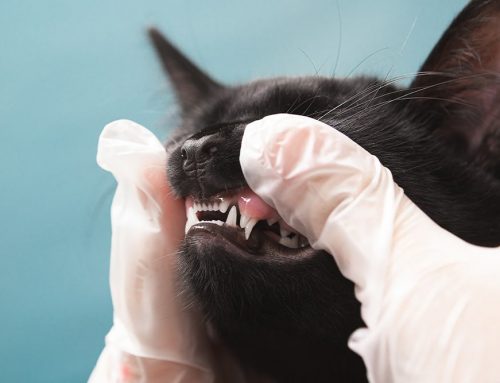
A healing extraction site looks pink to slightly red along a visible suture line, and it flattens and pales over ten to fourteen days as the gum knits closed. Some bruising of the nearby tissue in the first few days is ordinary. Many sites look slightly angrier on day two or three than they did coming home, then settle. Anything worse on day three than it was on day one needs a phone call.
| What you notice | Is it expected? | What to do |
| Light pink drool the first evening | Yes, in the first 24 hours | Keep things calm and offer soft food |
| Sleeping more and acting subdued for a day or two | Yes | Let them rest |
| Dropping the odd piece of food, chewing on one side | Yes, early on | Mention it at the recheck |
| Bleeding that keeps going or starts up again | No | Needs to be seen that day |
| Facial swelling that grows rather than settles | No | Needs to be seen that day |
| Nothing eaten at all by the second day | No | Call us that day |
| A gap, a loose flap, or visible bone at the site | No | Call us that day |
| Fever, vomiting, or real lethargy | No | Call us that day |
Most extraction sites get a look about two weeks out. If anything from the lower half of that table appears sooner, book a recheck instead of waiting for the scheduled visit, and phone ahead so we know what's coming through the door.
Which Complications Can Follow a Tooth Extraction?
The large majority of extractions heal without a hiccup. The problems below are uncommon, all of them fixable, and all easier to fix early, which is the only reason to know what they look like at home.
Wound Dehiscence: When the Site Opens Back Up
Wound dehiscence is the partial or complete opening of a sutured extraction site before it has healed, and it shows up as a gap in the gum line, a flap of loose tissue, or visible bone where the closure used to be.
Chewing something hard, pawing at the face, tension across a large closure, or lingering infection are the usual culprits. Separated edges don't knit back together on their own, so this needs an exam rather than a wait-and-see week. Repair means cleaning the area and closing it again under anesthesia.
Oronasal Fistulas: An Opening Into the Nose
Upper canine teeth sit against a thin plate of bone beside the nasal passage, which is why oronasal fistulas turn up after those extractions as one-sided nasal discharge, sneezing during meals, or a snort that never quite clears.
Water dribbling back out of one nostril after a drink is another tip-off. Food and air keep passing through the defect, so it won't close by itself, and repair means a gum flap placed surgically under anesthesia. Large or repeat fistulas are referred to a veterinary dentist, and we coordinate that appointment for you.
An Abscess at an Old Root Site
A firm, hot swelling under the eye or along the jaw is the classic sign of a tooth abscess, sometimes with a draining tract on the face or inside the mouth.
This can follow a root fragment left behind or bacteria remaining after pulling an infected tooth, and it sometimes arrives with fever and a skipped supper. New or worsening puffiness in the face after a dental procedure is a that-day problem. Dental X-rays show whether a fragment is still sitting in the jaw.
Jaw Fractures: Rare, but Worth Knowing
Severe periodontal disease can erode enough jaw bone that what remains is thin enough to break, and mandibular fractures announce themselves as a dropped jaw, a mouth that will not close evenly, or a sudden refusal to eat at all.
Small-breed dogs under roughly 6 kg carry the most risk, particularly around the lower canines and first molars. These mouths are nearly always flagged in advance, because dental radiographs show how much bone is left around each root before we touch a tooth. If that picture looks fragile, we talk through a different plan first.
Does Recovery Look Different for Dogs and Cats?
Dogs and cats heal in about the same time, but they get into different trouble. Tooth extraction complications in dogs tend to follow fractured or periodontally diseased back teeth, where large multi-rooted sockets leave longer suture lines, while cats are more often in surgery for inflammatory oral disease.
A dog who loses an upper carnassial, the big three-rooted chewing tooth toward the back, tends to be sorer for a couple of days and may hold their head oddly at the bowl.
Cats who've had a full-mouth extraction for stomatitis run a different timeline. Days three through five can look discouraging, with face rubbing and reluctance at mealtimes, and then it turns. Those cats are often more playful and more interested in food within a month than they were with a mouthful of painful teeth. Cats hide oral pain well, which is why we check every mouth at annual wellness exams instead of waiting for a family to spot it.
Why Does Routine Dental Care Make Recovery Easier?
Most dental disease develops below the gum line where an awake exam cannot reach it, so routine dental cleanings with full-mouth radiographs catch problems at the stage that needs scaling rather than surgery. A mouth looked after yearly rarely needs teeth removed, and when it does, it's one or two rather than twelve.
A cleaning with nothing extracted means a groggy evening and a normal breakfast. Twelve teeth out after years of untreated disease means two weeks of soft food and a recheck. Pets rarely show us a sore tooth, because the drive to eat outruns the ache, which is why our dentistry for dogs and cats charts and probes every tooth under anesthesia.
If it's been more than a year since anyone looked properly at your pet’s teeth, schedule a dental evaluation and we'll find out what we're working with while the answer is still simple.
What Oakville Families Ask Us After a Dental Procedure
What if my pet won't eat the morning after?
A smaller appetite on day one is common, especially when several teeth came out. Try warming canned food, offering it from your hand, or putting down a smaller portion so the bowl looks manageable. Most pets are eating reasonably by the second day. A cat who hasn't touched food for 24 hours is a different situation, since cats can develop liver trouble when they stop eating, so phone us rather than waiting another night.
Do the stitches need to come out?
Sutures placed in the mouth dissolve on their own, generally over two to four weeks, so there's no appointment to remove them, and noticing a loose thread during week two is normal. What matters is the tissue underneath: if the gum looks open, if you can see bone, or if there's a flap where a closed line used to be, that needs an exam regardless of what the stitches are doing.
Can my pet chew normally with teeth missing?
Most pets chew normally with teeth missing, and many chew better than before. Dogs swallow kibble more than they grind it, so missing molars change less than families expect. Cats with no teeth at all eat wet food comfortably using their tongue and gums, and some will go back to eating kibble because many swallow it whole without chewing anyway. They frequently regain weight they'd quietly lost while their mouth hurt. The teeth that come out are the ones already failing, so what's left is a mouth that finally works without pain.
How Home Care Protects Your Pet's Dental Work
The soft food, the finished bottle of pain medication, and two weeks without a chew are what protect everything that happened in that mouth under anesthesia. Most recoveries are uneventful, and the pets we see at the recheck are usually more comfortable than they were the week before the procedure.
If something doesn't look right at home, you shouldn't have to sit with it wondering. Reach out to us at Trafalgar Animal Hospital and we'll tell you whether it needs to be seen.