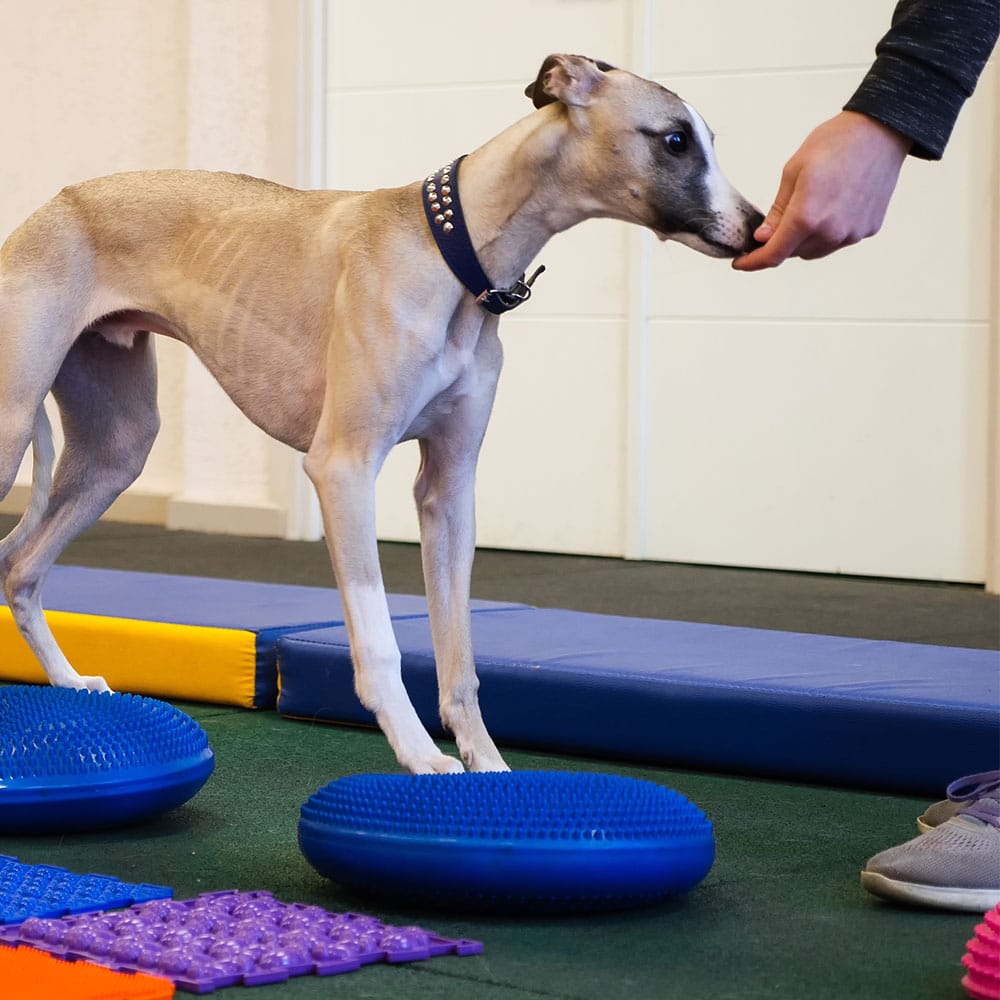
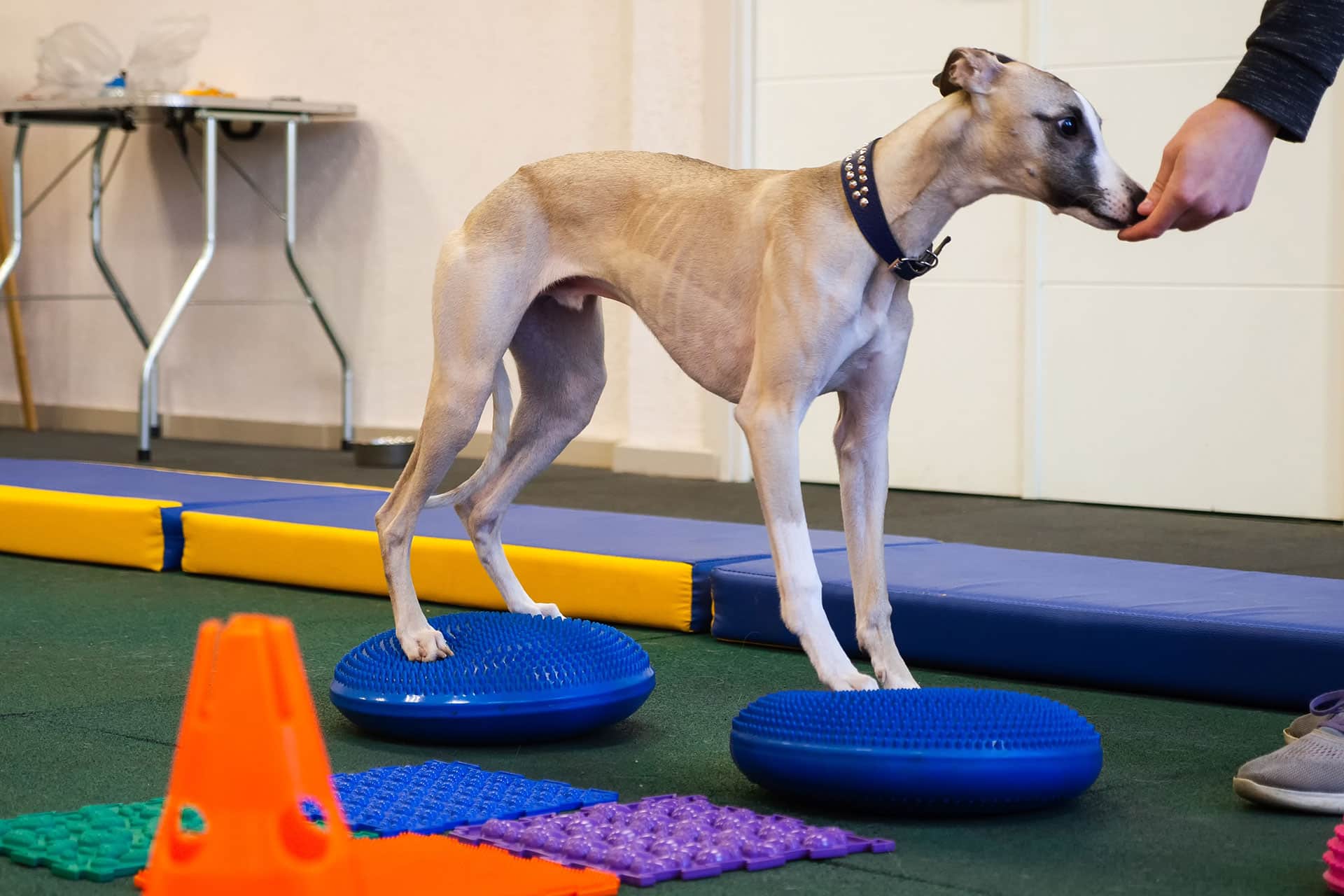
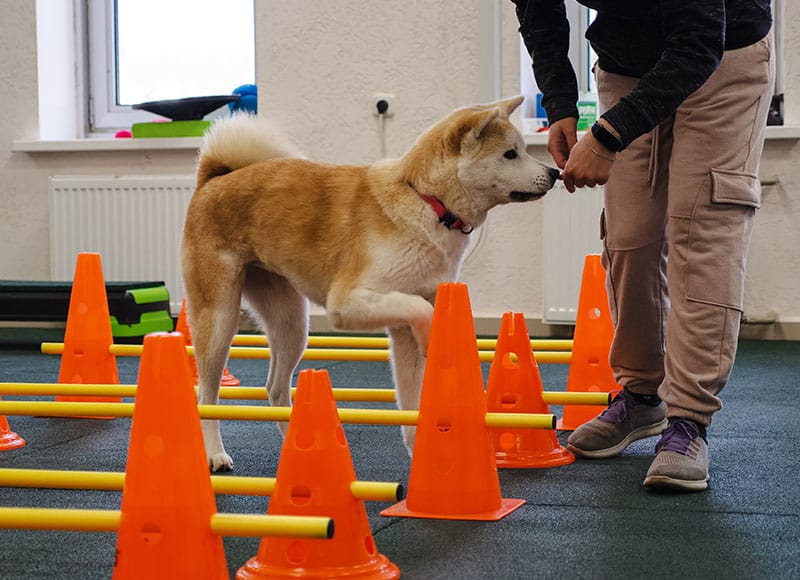
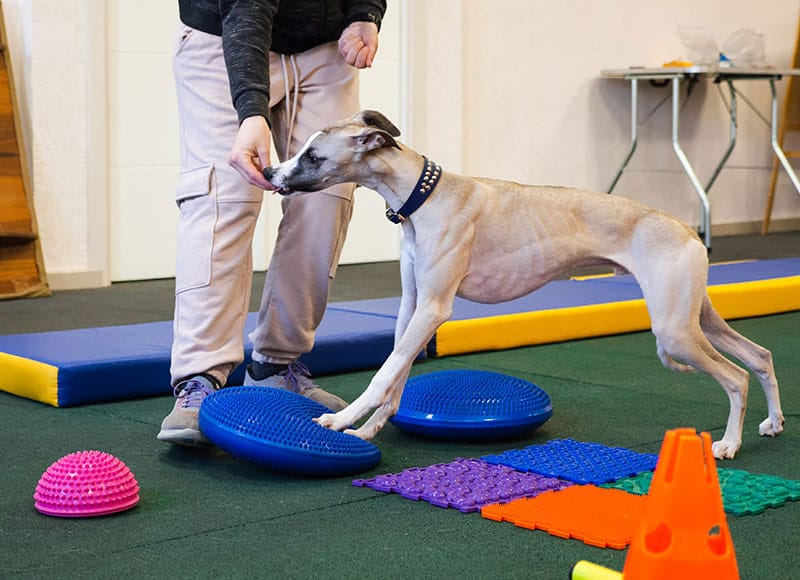
When your dog experiences pain, mobility challenges, or is recovering from surgery or injury, rehabilitation therapy can make a profound difference in their quality of life and recovery journey. At Trafalgar Animal Hospital, we understand that watching your companion struggle with movement or discomfort is heartbreaking. That’s why we offer comprehensive pet rehabilitation services designed to reduce pain, restore function, and help your dog return to the activities they love.

Our rehabilitation approach combines evidence-based therapies, compassionate care, and personalized treatment plans tailored to your dog’s specific condition and recovery goals. Whether your dog is managing chronic arthritis, recovering from knee surgery, or regaining strength after an orthopedic procedure, our team is here to support every step of their healing journey.

Rehabilitation isn’t just about recovery—it’s about helping your dog thrive. From senior dogs with age-related mobility issues to active canines bouncing back from injury, we’re committed to improving movement, reducing pain, and enhancing your dog’s overall wellbeing.

How We Help Your Dog Move Better

Line drawing of two bones forming a joint, with a medical cross symbol in a circle beside them, representing joint or bone health.

Arthritis & Chronic Pain Management

Arthritis affects millions of dogs, especially as they age, causing stiffness, pain, and reduced mobility that can significantly impact their quality of life. Our rehabilitation program for arthritic dogs focuses on managing pain and maintaining mobility through gentle, effective therapies.

What We Offer:

  • Therapeutic exercises to maintain joint flexibility and muscle strength
  • Pain management strategies combining medical and non-medical approaches
  • Weight management guidance to reduce joint stress
  • Laser therapy to reduce inflammation and pain
  • Home exercise programs for ongoing support
  • Assistive devices and mobility aids recommendations when needed

Expected Outcomes: Most dogs show improved mobility and reduced pain within 4-6 weeks of consistent rehabilitation. While we can’t cure arthritis, we can help your dog move more comfortably and maintain their independence longer.

For more information read our blog.

Simple line drawing of a human joint, likely a knee, with jagged lines nearby indicating pain or discomfort.

Knee Injuries & Post-Surgical Cruciate Rehab

Cruciate ligament injuries (similar to ACL tears in humans) are among the most common orthopedic injuries in dogs. Whether your dog has had TPLO, TTA, or lateral suture surgery—or is managing a partial tear conservatively—proper rehabilitation is crucial for optimal recovery and preventing future injuries.

What We Offer:

  • Post-surgical rehabilitation protocols customized to surgical technique and timeline
  • Progressive exercise programs to safely rebuild strength and stability
  • Gait analysis and movement assessment
  • Therapeutic modalities to reduce swelling and promote healing
  • Prevention strategies for the unaffected leg (50% of dogs tear the other CCL within 2 years)
  • Return-to-activity guidance for safe resumption of normal activities

Recovery Timeline: Most dogs show significant improvement within 6-12 weeks post-surgery, with full recovery typically occurring around 4-6 months with proper rehabilitation support.

For more information read our blog.

A green medical cross symbol surrounded by two circular arrows and two four-pointed stars on a light background, suggesting health, recovery, and continuous care.

Post-Surgical Orthopedic Recovery

After orthopedic surgery—whether for fracture repair, hip dysplasia, or other conditions—proper rehabilitation is essential to ensure optimal healing, prevent complications, and help your dog regain full function.

What We Offer:

  • Post-operative care coordination with your surgeon
  • Structured recovery protocols matched to surgery type and healing timeline
  • Pain management support during recovery
  • Progressive strengthening exercises
  • Scar tissue management
  • Prevention of compensatory injuries from altered movement patterns
  • Owner education for safe home care during recovery

Why Rehabilitation Matters: Studies show that dogs receiving structured rehabilitation after orthopedic surgery recover faster, experience less pain, and achieve better functional outcomes than those with rest alone.

For more information read our blogs.

Simple green line drawing of a human brain, viewed from above, showing the symmetrical curves and folds of the brain’s surface against a white background.

Neurological Conditions & Mobility Issues

Dogs with neurological conditions affecting their movement—such as intervertebral disc disease (IVDD), degenerative myelopathy, vestibular disease, or post-stroke weakness—can benefit significantly from rehabilitation therapy designed to support nervous system recovery and maintain quality of life.

What We Offer:

  • Neuro-specific rehabilitation protocols
  • Balance and coordination exercises
  • Core strengthening and stabilization work
  • Assisted standing and walking exercises
  • Mobility assistance device fitting and training
  • Adaptive strategies for daily living
  • Coordination with neurological specialists when needed

What to Expect: Recovery varies significantly based on the specific condition and severity. Some dogs make remarkable recoveries, while others maintain stable function and quality of life through ongoing rehabilitation support.

For more information read our blogs.

Ready to Help Your Dog Move Better?

Schedule a rehabilitation consultation to discuss how we can support your dog’s recovery and wellbeing.

Why Choose Rehabilitation for Your Dog?

White medical cross symbol surrounded by two circular arrows on a dark teal background, representing healthcare or medical renewal, recovery, or continuous care.

Faster Recovery

Structured rehabilitation accelerates healing and reduces recovery time.

A heart with a paw print.

Pain Reduction

Multiple modalities work together to minimize discomfort.

White outline of a dog wearing a harness or leash on a dark teal circular background.

Improved Mobility

Regain function and enjoy activities together again.

A white shield icon with a cross in the center, representing health or medical protection, on a green circular background.

Prevention

Reduce risk of re-injury and compensatory problems.

A simple white line drawing of a smiling cat's face on a dark teal circular background.

Better Quality of Life

Help your dog feel and move better every day.

White icon of two hands holding a heart with a medical cross, on a dark green circular background, representing healthcare or medical support.

Non-Pharmaceutical Options

Reduce reliance on long-term pain medications when possible.

White outline of two hands forming a heart shape around the faces of a dog and a cat, set against a teal circular background.

Expert Guidance

Professional support throughout the entire recovery journey.

White outline icon of a person standing in front of a sitting dog, both inside a dark green circle.

Owner Education

Gain confidence in supporting your dog’s care at home.

Common Questions About Pet Rehabilitation

Consider rehabilitation if your dog is experiencing difficulty moving, recovering from surgery, managing chronic pain, has been diagnosed with orthopedic or neurological conditions, or is a canine athlete needing injury prevention or recovery support. We’re happy to discuss whether rehabilitation is right for your dog during a consultation.

No. Rehabilitation should never cause pain. We work within your dog’s comfort zone, using positive reinforcement and gentle techniques. Many dogs actually enjoy their rehab sessions! If we notice discomfort, we modify the approach immediately.

This varies significantly based on the condition, severity, and individual response. Some dogs show improvement within a few weeks, while others benefit from several months of care. During your consultation, we’ll discuss realistic timelines based on your dog’s specific situation.

Initially, most dogs benefit from 2-3 sessions per week. As they progress, we typically reduce frequency to weekly or bi-weekly, eventually transitioning to maintenance visits or home-only exercise programs.

Many pet insurance plans cover rehabilitation when medically necessary. We recommend checking with your insurance provider about coverage details. We’re happy to provide documentation for insurance claims.

Please bring any relevant medical records, surgical reports, imaging results, current medication list, and your dog’s leash and any mobility aids they currently use. Treats are always welcome!

Absolutely! Many senior dogs benefit greatly from rehabilitation, whether managing arthritis, recovering from surgery, or maintaining mobility. We tailor programs to match your senior dog’s abilities and comfort level.

Questions About Pet Rehabilitation?

We’re here to help. Whether you’re exploring rehabilitation options for your dog or wondering if their condition could benefit from therapy, we’d love to hear from you. Call us at (905) 845-2611 or book a consultation online.

Learn More About Pet Rehabilitation

Go to Top