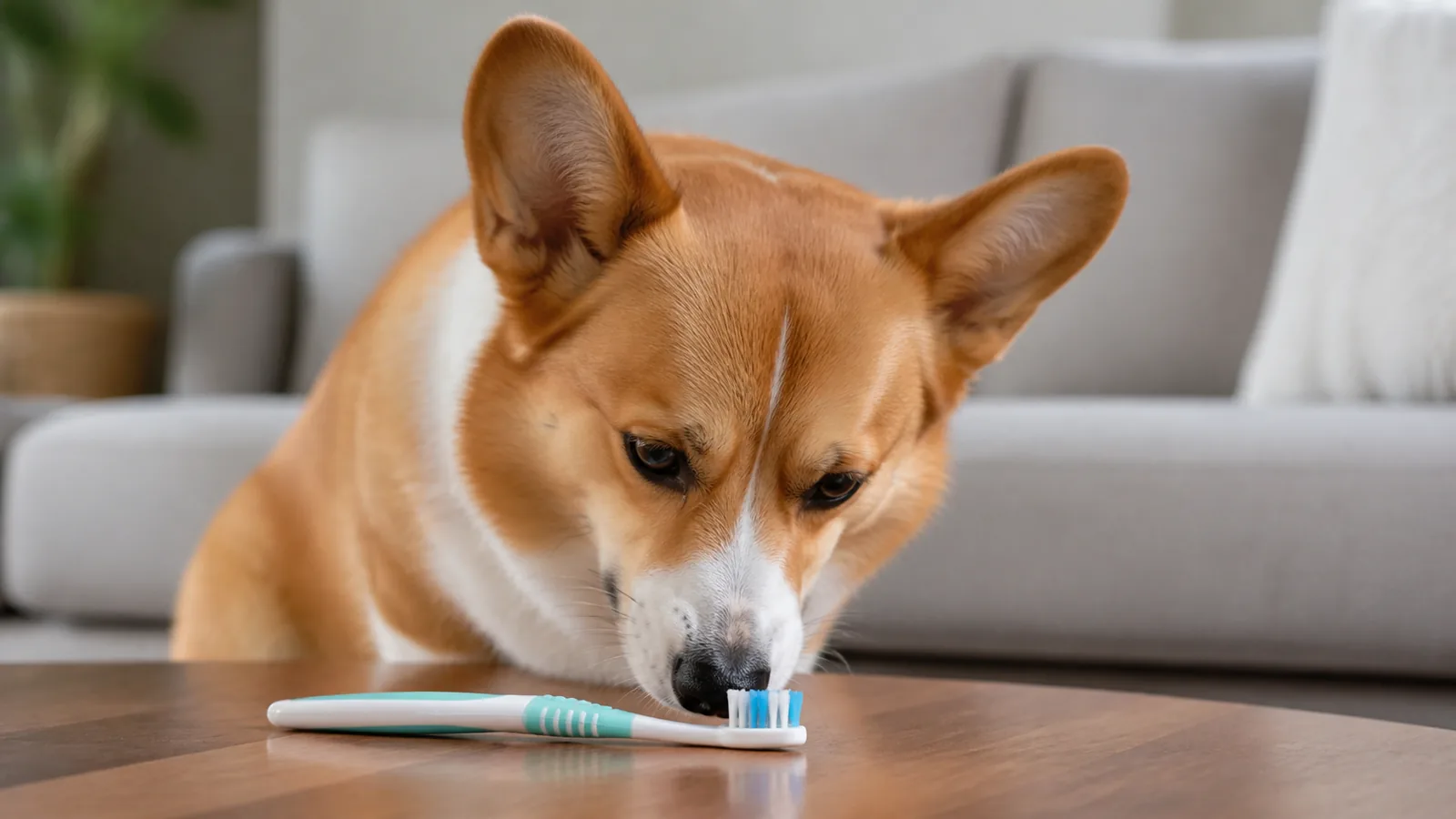
Dental chews, water additives, powders, gels, wipes, toothpastes and special diets can all promise a healthier mouth, but you probably do not want to spend time and money on five different products just because the labels say "dental". Some options have much better evidence behind them than others, and the best choice also depends on what your dog or cat will actually let you use consistently. Brushing remains one of the most effective ways to control plaque, but a pet who will not tolerate a toothbrush may benefit from a dental diet, an appropriate chew, or another product that fits more easily into your routine.
At Trafalgar Animal Hospital in Oakville, we can use your pet's dental exam and personality to help you build a home care routine that is realistic rather than a long shopping list you'll use once and abandon. Home care can slow plaque and tartar accumulation, but it cannot remove hardened tartar or treat disease hidden below the gumline, so we will also be clear when another product is not the answer and your pet needs professional dental care instead. If you are wondering whether the chews, additives, wipes or other products you are buying are actually worth it, request an appointment and we'll help you put your money where it counts.
The Fundamentals of Dental Home Care That Works
- No home tool beats the brush, and the research supports daily or every-other-day sessions over a once-in-a-while scrub.
- Combinations beat single tools, because mechanical care breaks up the sticky film on the tooth so chemical products can reach the gum tissue underneath.
- A wipe, a nylon glove, a dental diet, or an independently tested chew is a real option for the pet who refuses a brush, not a consolation prize.
- Once tartar has hardened or disease has moved under the gumline, home products are out of their depth; that work belongs to a professional cleaning under anesthesia.
Which Pets Fall Behind on Dental Health the Fastest?
Small and toy breeds, flat-faced dogs with crowded mouths, most cats, and any pet who has already needed periodontal treatment build up deposits faster than everyone else, and age stacks on top of that. By three years old, the majority of dogs and cats already show some gum disease, which is why home care starts early rather than after something goes wrong.
Plaque starts mineralizing into tartar within about two days on an unbrushed tooth, and the gum inflammation that follows turns into periodontal disease, which destroys the bone and ligament holding each tooth in place long before a pet ever stops eating. Early on it's just red gum margins and a smell you notice when your dog yawns near you. Left alone, the attachment fails, teeth loosen, and bacteria from the mouth put steady extra work on the heart, kidneys, and liver.
A routine you actually keep up slows the buildup and makes each cleaning less involved. Regular wellness exams let us look at what's building where and tell you honestly whether your current routine is keeping up.
Is Brushing Worth the Fight, and How Often Does It Have to Happen?
Brushing is the one thing no product fully replaces, because bristles physically scrub the bacterial film off the tooth surface. The detail most pet families get wrong is brushing frequency, since brushing every other day measurably reduced plaque and tartar over several months while brushing once a week produced no meaningful benefit at all.
Plaque isn't debris, it's a living bacterial community that rebuilds within hours, and disturbing it resets the clock.
How Do You Get a Dog or Cat to Accept a Toothbrush?
Slowly, in pieces, with food involved. Given a few weeks of short daily sessions, most pets grow calmer about mouth handling, not more stressed, which reframes "my cat would never" as an introduction problem instead of a fixed fact.
- Start at the outside: a few seconds of touching the muzzle, then a treat, several times a day.
- Move to a finger: slide a finger under the lip along the gums, still only a few seconds.
- Introduce the flavor: let your pet lick pet toothpaste off your finger so it becomes a treat.
- Add the brush: paste on the bristles, one or two teeth, then stop while it's still going well.
- Build coverage: work up to about 30 seconds per side, daily or every other day.
Human toothpaste is never an option. Xylitol can drop a dog's blood sugar dangerously, fluoride isn't meant to be swallowed, and the foaming agents upset most stomachs. Pet-formulated enzymatic pastes come in poultry, malt, and seafood flavors, and the one your pet likes matters far more than the brand on the tube.
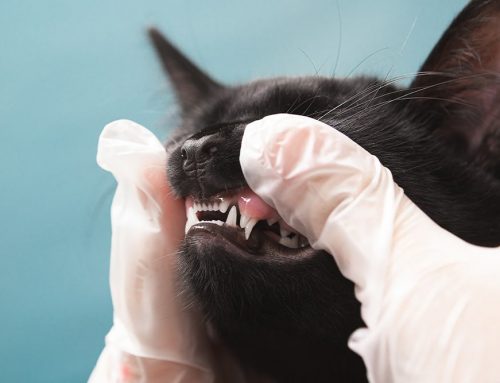
Brushing a dog's teeth amounts to a lifted lip, bristles tilted toward the gumline at about 45 degrees, and the most attention paid to the outer surfaces of the upper back teeth, where tartar piles up fastest. Brushing a cat's teeth goes best a few seconds per side with a finger brush. Skip the inner surfaces for both species; the tongue handles most of that.
Most failures trace back to the same four moves: sessions that run too long, a paste your pet finds unpleasant, too much pressure on sore gums, and quitting for good the first time your pet pulls away instead of backing up a step. If the first few attempts go badly, book a brushing demonstration and we'll show you the handling that suits your pet.
What If Your Pet Won't Tolerate a Brush at All?
Textile options are a legitimate fallback, not a compromise. Used daily and compared side by side, simple dental cleaning tools such as a nylon glove or a microfiber cloth held their own against a toothbrush on both plaque and gum health.
Wipes and gloves suit cats and anxious dogs because there's no handle and no unfamiliar object, and your finger goes where you can slip it between the tooth and the cheek. The trade-off is reach: cloth follows the curve of the crown but doesn't slip into the narrow space at the gum margin, and the very back teeth are hard to get to. Visible brown buildup, red or bleeding gums, or a pet chewing on one side means textile care has already been outmatched. Which tool to reach for depends on temperament as much as on the mouth itself, so it's worth raising with the veterinarians and technicians who know your pet.
Do Gels, Sprays, and Water Additives Pull Their Weight Alone?
Chemical products earn their place as a partner to mechanical care rather than a substitute for it. Dental sprays, gels, and powders deliver enzymes or antiseptics that work on plaque chemically, which helps the gum tissue but never lifts hardened deposits off the tooth.
Application is easy, which is the appeal. Gel goes on the gumline with a fingertip, spray gets aimed at the outer surfaces of the back teeth, powder gets sprinkled over food. Look for chlorhexidine, zinc salts, or an enzyme system on the label, and use them right after wiping or brushing so the active ingredient lands on a surface that's already been disturbed.
Water additives used alone, with no mechanical care behind them, did not significantly reduce plaque or tartar, but adding one to even a modest routine beat the mechanical care on its own. An intact film on a tooth is a barrier an antimicrobial can't get through. Break the film first and the same product suddenly has somewhere to work, which also explains why additives started right after a professional cleaning cut plaque, tartar, and gum bleeding.
So if brushing happens once a week in your house, or the plan is mostly chews, a daily additive is the cheapest upgrade available. Introduce it at half strength for a few days so the taste doesn't put your pet off drinking, keep a second bowl of plain water alongside, and if your pet has bladder or kidney issues or eats a prescription diet, call or text us first.
Can the Right Food or Chew Do the Work Instead?
Neither one replaces a brush, but both are real interventions rather than marketing. A properly engineered dental diet or an independently tested daily chew can slow plaque and gum inflammation enough to matter, which makes them the backbone of a routine for the pet who won't accept anything going into their mouth.
Dental foods work in two ways. Some carry a tartar-control agent that binds the calcium in saliva before it can cement plaque into place. Others are built mechanically, with kibble large and fibrous enough that the tooth sinks in and gets wiped on the way through instead of snapping the piece on contact. For cats, a large fibrous dental kibble engineered to break against the tooth produced less gingivitis and less tartar in studies than the other diet approaches tested.
A daily dental chew delivered measurable reductions in plaque, tartar, and gum inflammation versus feeding none at all. The catch is that the word "dental" on a package means nothing by itself.
Antlers, hooves, bones, and hard nylon are the dangerous chew items behind most fractured teeth, and the screen takes one second: if you cannot press a dent into it with a thumbnail, it is hard enough to break a tooth.
- Size it to your pet: anything that fits entirely in the mouth is a choking risk, and anything too big gets abandoned.
- Rotate and watch digestion: rich chews and rawhide leave some pets with loose stool or vomiting.
- Adjust for cats and puppies: look for feline dental treats, and skip hard chews while adult teeth are erupting.
A cracked upper back tooth often looks like nothing from the outside, so check those big carnassials if a chew session ever ends in a yelp. A fracture with exposed pulp hurts and needs urgent care rather than a wait-and-see week.
How Do You Tell Which Products Are Worth Buying?
Look for one seal before anything else. The Veterinary Oral Health Council puts its logo on VOHC-accepted products only after they clear a defined threshold for reducing plaque or tartar in controlled trials, so that little mark is verification rather than a packaging promise.
The accepted list is public, searchable, split by species, and it covers chews, diets, water additives, gels, and wipes. Products are listed for plaque control, tartar control, or both, which is worth reading closely: tartar is the visible part, plaque is the part driving disease.
| Home care tool | What the evidence supports | Where it fits |
| Toothbrush | The strongest plaque control available at home, at every-other-day frequency or better | The foundation, when your pet allows it |
| Wipe, glove, or cloth | Nearly brush-level plaque and gum improvement with daily use | The realistic swap for cats and brush-refusers |
| Tested dental chew | Measurable drops in gingivitis, plaque, and tartar with daily use | Easy consistency, with hardness as the thing to check |
| Dental diet | Less gingivitis and tartar from kibble designed to break against the tooth | A strong base layer, especially for cats |
| Water additive | Little on its own, real benefit stacked on top of mechanical care | The multiplier, never the whole plan |
| Gel, spray, or powder | Chemical plaque control that supports the gum tissue | The partner to brushing or wiping |
We provide dentistry for dogs and cats, and part of that is telling you plainly which products in your cupboard are pulling their weight and which are decoration. Bring them to your next visit.
What Can't Home Care Fix?
Home care controls what happens above the gumline, and nothing more. No brush, cloth, chew, or additive removes tartar that has already hardened onto the tooth, and none of them reach the pocket under the gum where periodontal disease does its real damage. That work happens under anesthesia.
Much of every tooth sits below the gumline, invisible from above. Our in-house X-rays and imaging let us find root abscesses, bone loss, and the resorptive lesions cats develop while your pet is already asleep and comfortable.
| What a cleaning includes | Why it matters |
| Scaling below the gumline | Clears the deposits driving disease in the pocket, where nothing at home can reach |
| Full-mouth dental X-rays | Reveals root and bone problems that look perfectly normal from above |
| Probing and charting each tooth | Stages the disease so treatment matches what's really there |
| Polishing | Smooths the microscopic scratches scaling leaves, slowing how fast plaque returns |
| Treatment of what's found | Handles painful teeth in the same anesthetic episode, instead of a second one later |
The catch with anesthesia-free dental cleaning is that chipping tartar off the visible crown of an awake pet's tooth cannot reach below the gumline, cannot include imaging, and leaves a tooth that looks whiter while the disease underneath keeps advancing. Home scaling kits sold online are the same trap in a smaller package. Never scrape at your pet's teeth with a metal instrument: you'll score the enamel, leave a rougher surface that grabs plaque faster, and still miss the part that counts.
How Do You Keep a Dental Routine From Falling Apart?
A durable routine hooks onto something you already do every day, works from two directions at once, and forgives the nights it doesn't happen.
- Anchor it to a habit: beside the coffee maker or after the evening walk sticks far better than "sometime today."
- Layer from the start: one mechanical option plus one chemical option, rather than one product as the whole plan.
- Keep a plan B: a wipe or a chew on the skipped nights keeps the streak from breaking.
- Share the job: pets often accept different people for different tasks, so whoever is home does it.
- Reassess a few times a year: mouths change with age, and so should the routine.
You'll know it's working when the smell fades over a few weeks and the gum margins look pink instead of angry. Bleeding gums, dropping food, chewing on one side, pawing at the face, swelling under an eye, or a sudden objection to being touched around the mouth all point the other direction. If you see any of that, reach out and we'll get a look at what's going on.
Dental Home Care: The Questions We Hear Most
Will baking soda or coconut oil work in place of pet toothpaste?
Neither one is a real substitute. Baking soda is alkaline and high in sodium, it tastes bad enough to end the session early, and swallowing it repeatedly isn't ideal for pets with heart or kidney disease. Coconut oil is harmless in small amounts but has no proven effect on plaque, and the calories add up quickly in a small dog. If your pet dislikes every flavored paste on the shelf, plain water on a soft brush still does most of the mechanical work.
My dog's breath is still bad even though I brush. What's going on?
Persistent odor usually means something below the gumline that a brush can't touch, most often periodontal infection or a painful root. Cats can also develop resorptive lesions that erode a tooth from the outside in. Less commonly, a change in smell comes from kidney disease or diabetes rather than the mouth at all. Brushing prevents problems well; it doesn't cure one that's already established, so breath that hasn't improved after a few weeks of steady care deserves an exam.
How early can we start with a puppy or kitten?
The week they come home. Keep it to a few seconds of lifting the lip and touching the gums, always followed by something good, long before there's any plaque to worry about. Teething leaves the mouth sore around four to six months, so ease off to gentle handling through that stretch and pick the brush back up afterward. A dog or cat who grew up with this rarely puts up a fight about it as an adult.
Our Door Is Open for Your Pet's Dental Questions
No one product keeps a mouth healthy by itself, and no routine survives if it's built on guilt. A small amount of mechanical care most days, something chemical layered behind it, and a professional cleaning when the exam calls for one is what the evidence supports.
If you've been standing in front of a shelf of dental products wondering which one is worth the money, we'd rather sort that out together than leave you guessing. Schedule a dental exam at Trafalgar Animal Hospital in Oakville, bring along whatever you've already tried, and we'll build something that works for your pet’s personality.